- fred's garden
- Posts
- back up to speed / rules
back up to speed / rules

Fred Kulow
February 11, 2026

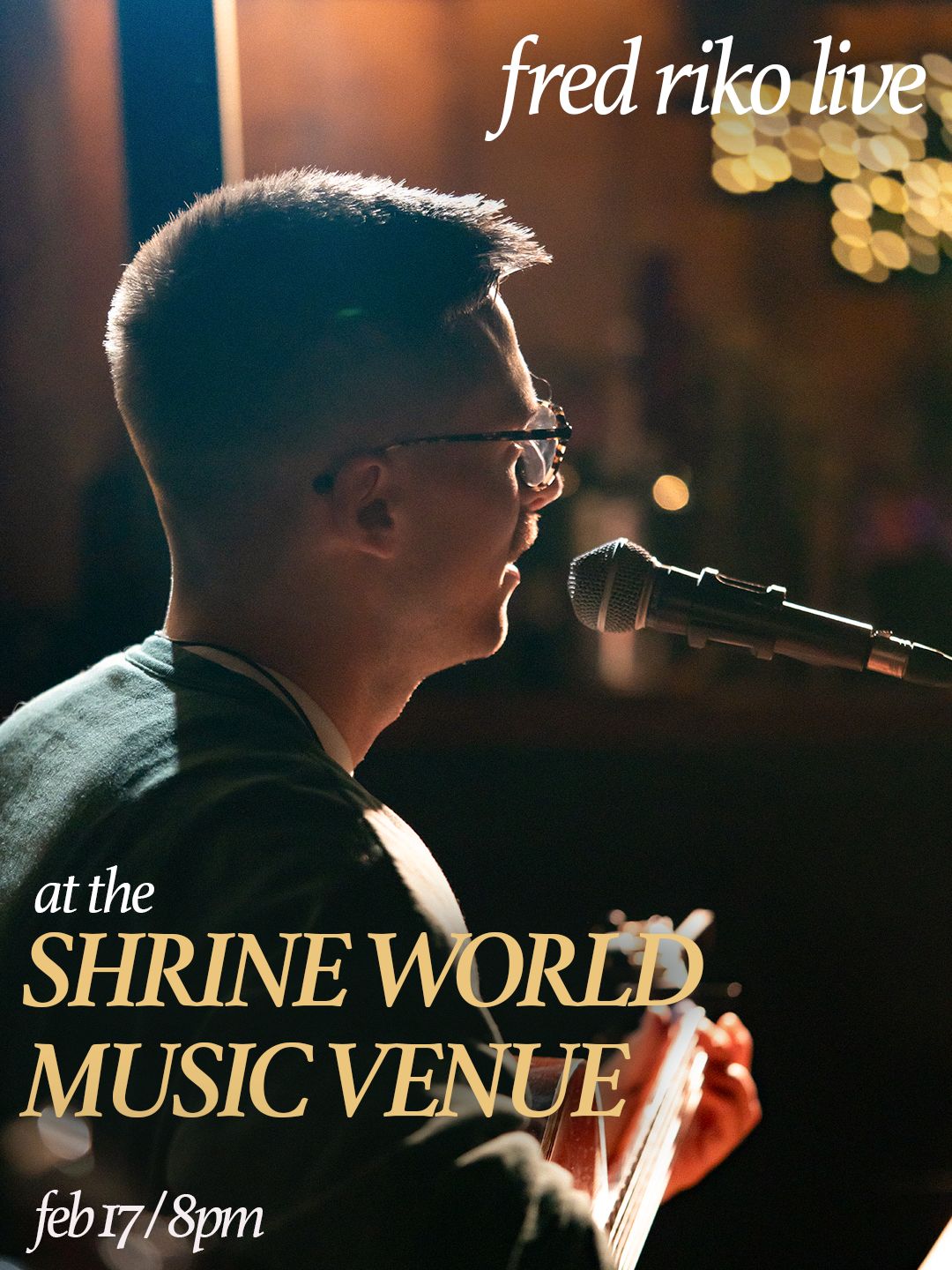
another year, another great show at the shrine. 8pm on feb 17—hope to see you there!
other updates:
album #2 is fully recorded, mixed, and mastered—an exciting milestone for this multi-year project. first singles soon to be released as an EP … stay tuned!
mark your calendars for early may! alongside album #2 comes a release party in nyc. downtown, bar vibes, rock n’ roll atmosphere. you’re in the right place.
Kieran and I are in late-stage talks with a venue to host season 3 of Kiki’s Open Mic. downtown, cocktail vibes, sultry atmosphere—follow the IG for more.
as soon as it’s warm out, I’ll be out again busking in TSP. usually sundays around noon by the temperance fountain. gonna be a great year.
rules
a couple decades ago, my dad gave me a lasting piece of advice:
“learn the rules before you can break them.”
logically:
rules exist as a fact of the matter
it’s possible to deepen an understanding of rules
once understood, rules can be surpassed.
as I faced new and unfamiliar experiences (teenage social situations, challenging school subjects, and a developing worldview), this advice provided me a growth system that remained intact even as my life became more complex.
an inherent assumption of this approach is that rules are breakable.
imagine that, at 11 years old. you’ve been given the right by your parent to “break the rules” and at the same time the responsibility of determining when that’s appropriate.
for more than a decade, I struggled to accept rules that didn’t make sense to me. I developed a strong sense of morality and felt responsible for all the hurt that I saw in the world, determined to show people there was a better way.
at the same time, I understood rules existed. I was born in midwestern Canada, where rules were imposed by the harshness of the world around you and you depended on others for warmth.
when my family moved to Virginia in the mid aughts, my first snow day was a revelation. a day off for snow was a fairytale I’d read about in books. you went to school all winter in Saskatoon, you just didn’t go outside for recess if it was below -25°C.

nyc does alright in the snow
people rebelled not out of angst but out of necessary release. the natural environment was hostile to life, and breaking the rules was a show of defiance. anyone too respectful was distrusted or seen as naïve.
yet Virginia had its own idiosyncrasies too … and as I grew through upper schooling I learned how rules can both benefit and constrain.
I got written up a lot for disruption—never malicious but certainly behavior that was “against the rules.” I also began to truly recognize the privilege my identity brings.
institutions conferred trust and support the more appropriately I behaved, and I started to depend on that reassurance. I adjusted my identity to fit in.
and then I moved to NYC: a place so dominated by its population that it’s developed its own set of rules. like Saskatoon, its rules arise from a matter of need—but here they persist because of humanity, not in spite of it.
For the first years I lived here, I could tell that there was underlying logic that allowed residents to survive and thrive, but it was so encoded in lived experience that I had no frame of reference.
it seemed like everyone else had some secret guidebook or orientation that I must have missed—thrown into the graduate-level class without a paddle.

laundry day
but here my dad’s wisdom came to the fore. after the internship that brought me to the city ended, I was alone: no job, few friends, and no space to myself except a 60 square foot room in a 1-flex-3 month-to-month apartment.
yet this situation gave me ultimate freedom to learn the rules governing NYC from the ground up.
and now, eight years later, I still operate on some of the basic habits I built back in 2018. it’s the meaning behind my second album, Laundry Day: how do you come to grips with what you can’t control? “I follow the rhythms and cycles that keep me in line.”
and now, as I dive deeper into applied technical learning, my conception of rules is shifting. I’m beginning to understand them as the basic building blocks of systems.
I’ve written before about how my music compositions often begin with theoretical concepts. through books such as Digital Mantras, the Physics and Psychophysics of Music, and Systems Theory, I’m uncovering the behaviors that connect music, math, physics, language, and a whole host of other subjects.
and slowly, my understanding of that original grain of wisdom has matured:
how freeing are the rules that don’t ask to be broken.
